
India is on high alert as the World Health Organization (WHO) has declared monkeypox a public health emergency of international concern (PHEIC). This highest-level warning has prompted the Indian government to take swift action, including sensitizing health units at airports, seaports, and ground crossings. With the WHO’s announcement, the Union Health Minister chaired a meeting to implement precautionary measures, including readying 32 testing laboratories and preparing health facilities to detect, isolate, and manage any potential cases of monkeypox.
Why is Monkeypox a Big Concern This Year?
The monkeypox virus, particularly the Clade 1b strain currently circulating in the Democratic Republic of the Congo (DRC), has raised global concern. This strain is known for its virulence, with a death rate of 3%, significantly higher than the 0.1% observed in other monkeypox strains. The rapid spread of the virus in the DRC and its potential to affect other regions make the situation particularly alarming. As the virus continues to spread, the possibility of it reaching India and other countries has increased, prompting global health authorities to be on high alert.
Is Monkeypox Fatal?
Monkeypox can be fatal, especially with the Clade 1b strain. In the DRC, over 16,700 confirmed or suspected cases have been documented this year, with more than 570 deaths. This represents a significant increase from previous years. The disease is particularly affecting younger populations, especially children under 15, marking a concerning trend. According to the African Union‘s health agency, there has been a 160% increase in new monkeypox cases in 2024 compared to the same period in 2023. This surge in cases, coupled with the higher virulence of the Clade 1b strain, underscores the importance of vigilance and preventive measures.
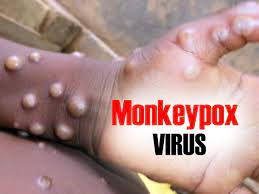
How Many Cases of Mpox Have Been Reported in India? [ Live Cases Here ]
Since 2022, India has reported 30 cases of monkeypox, with the last case being recorded in March 2024. The first case was detected in July 2022, and since then, the government has been monitoring the situation closely. Globally, the WHO has reported 99,176 cases and 208 deaths due to monkeypox across 116 countries since 2022. While the number of cases in India remains relatively low, the global spread of the virus and the potential for new cases make it imperative for the country to stay prepared.
Is There a Risk of a Big Outbreak of Monkeypox in India?
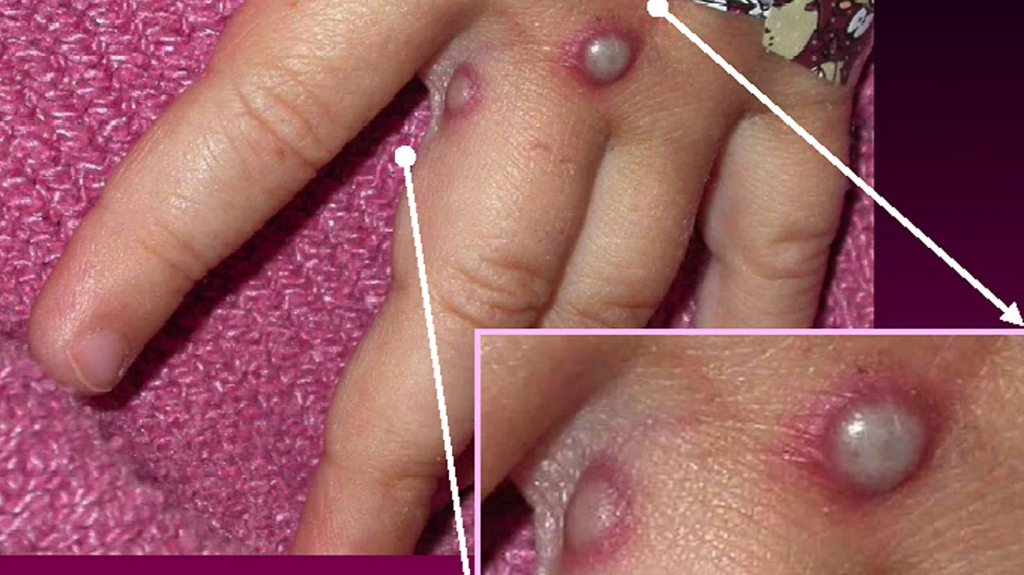
While monkeypox has been detected in India, experts believe the risk of a significant outbreak remains low. According to Dr. Muzamil Sultan, Senior Registrar at Marengo Asia Hospital in Gurugram, monkeypox requires close, continuous contact to spread, unlike other viral illnesses. Effective containment strategies, including contact tracing, isolating confirmed cases, and public awareness, are crucial in preventing the spread. India’s healthcare system, continuous monitoring, and immunization programs are well-equipped to manage the situation, reducing the likelihood of a large-scale outbreak.
Will the Monsoon Worsen the Monkeypox Situation in India?
The monsoon season is unlikely to worsen the monkeypox situation in India, according to Dr. Sultan. The virus primarily spreads through direct contact with infected individuals or contaminated items, rather than through water or air. However, the monsoon season does bring a rise in other illnesses, which could strain healthcare resources and complicate response efforts. Adhering to strict healthcare protocols, including isolation, cleanliness, and prompt medical intervention, remains essential to preventing the spread of monkeypox and managing other seasonal illnesses.
Do Indians Have Strong Immunity to Fight Against the New Strain of Monkeypox, Clade 1b?
The immune response to Clade 1b, a novel strain of monkeypox, is still uncertain. As smallpox vaccination was discontinued in India decades ago, many people may lack cross-protection against monkeypox. Individual immunity varies, influenced by factors like age, overall health, and vaccination history. Public health initiatives, including vaccination and preventive measures, are critical in managing the situation. There’s no conclusive evidence that Indians are naturally immune to Clade 1b, making vigilance, early diagnosis, and preventive actions crucial in controlling the spread of the virus.
Who is at the Highest Risk of Getting Monkeypox?
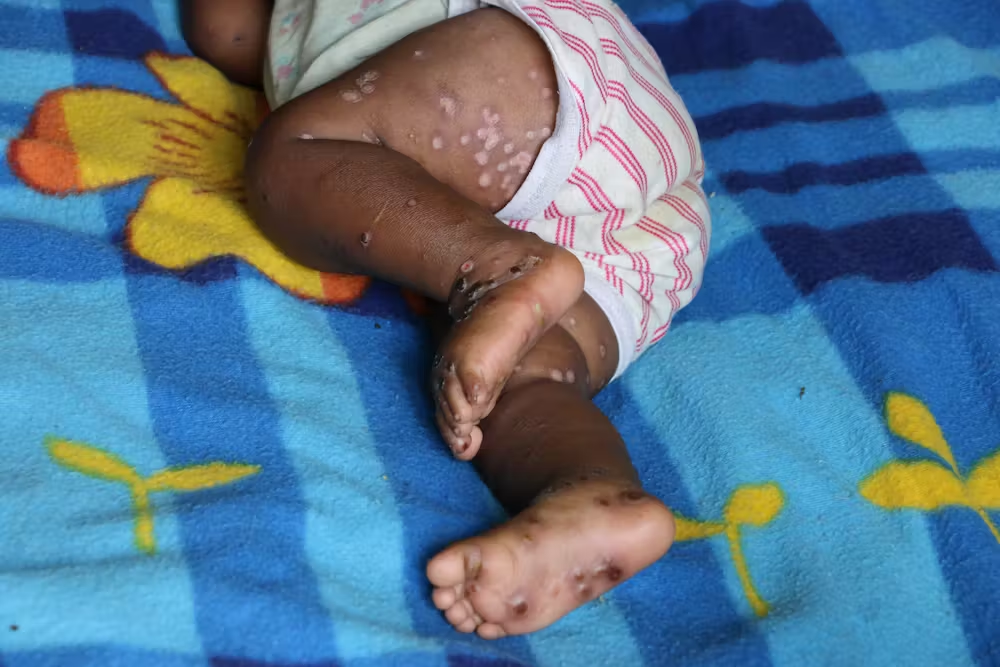
Those in close contact with someone infected with monkeypox are at the highest risk. The virus spreads through skin-to-skin contact, including touching or sexual contact, and mouth-to-mouth or mouth-to-skin contact, such as kissing. Additionally, contact with contaminated clothing, bedding, towels, objects, or surfaces can also spread the virus. Individuals with compromised immune systems or those living in or traveling to areas with high monkeypox transmission rates are particularly vulnerable.
Is There a Vaccine Against Monkeypox?
The WHO recommends the use of MVA-BN, LC16, or ACAM2000 vaccines for those at risk of contracting monkeypox. However, mass vaccination is not currently recommended. Travelers at risk should consult with their healthcare provider to assess the need for vaccination. Vaccination can provide protection against monkeypox, particularly for those who may be exposed to the virus in high-risk areas or through close contact with infected individuals.
Can You Get Monkeypox More Than Once?
There have been cases of recurrent monkeypox infections, although they are rare. Health experts advise taking precautions and practicing preventive measures to avoid contracting the virus again. This includes avoiding close contact with infected individuals, maintaining good hygiene, and seeking medical advice if you experience symptoms such as fever, rash, or swollen lymph nodes. Understanding the risks and taking preventive measures can help reduce the likelihood of contracting monkeypox multiple times.
What Are the Symptoms of Monkeypox?
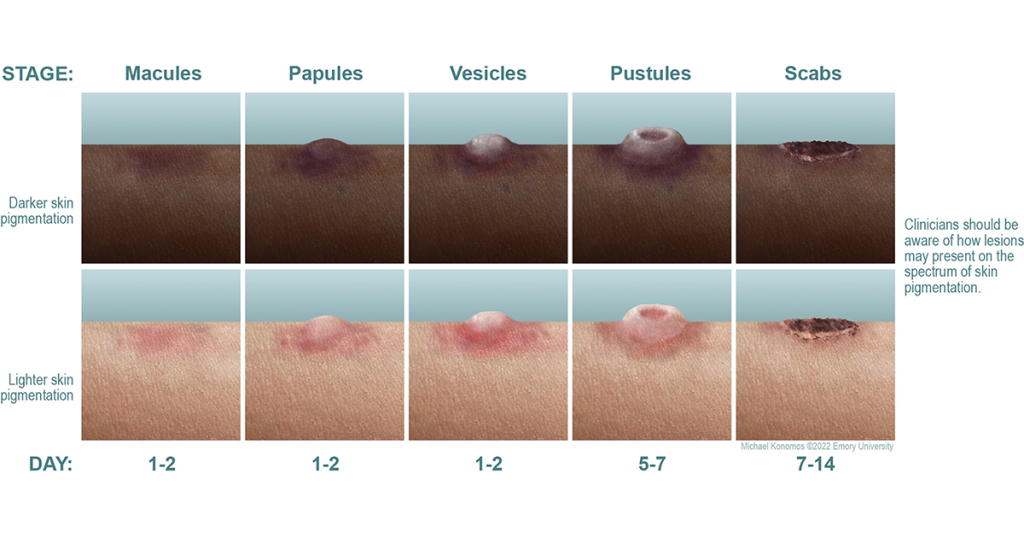
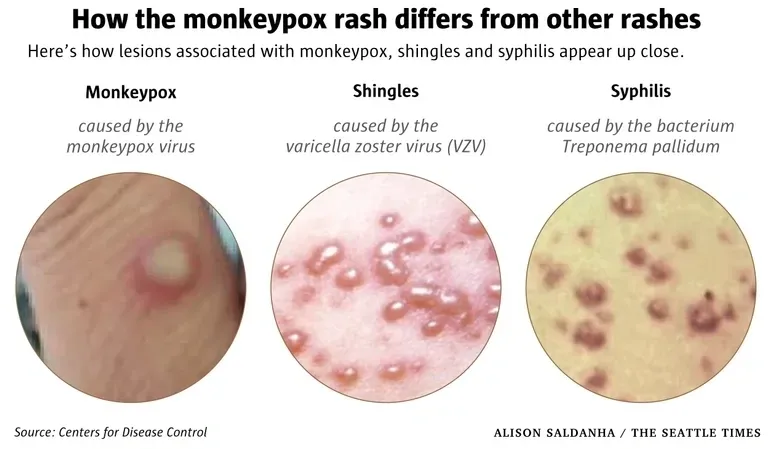
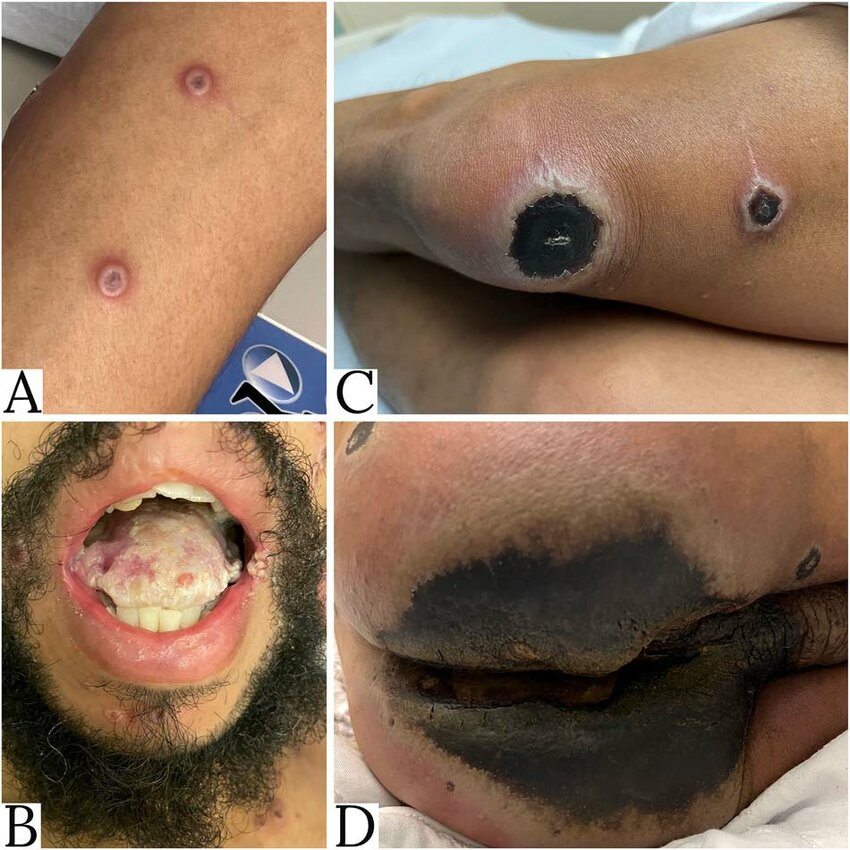
Common symptoms of monkeypox include a rash that may last 2–4 weeks, along with fever, headache, muscle aches, back pain, fatigue, and swollen lymph nodes. The rash can appear as blisters or sores on the face, palms, soles, groin, and genital or anal regions. Some individuals may also experience inflammation inside the rectum (proctitis) or inflammation of the genitals. Early detection and prompt medical intervention are crucial in managing the symptoms and preventing the spread of the virus.
Can Animals Carry the Monkeypox Virus?
Yes, certain animals, such as monkeys and terrestrial rodents like tree squirrels, can carry the monkeypox virus. Physical contact with an infected animal or its meat, through bites, scratches, or during hunting, can transmit the disease. Consuming contaminated meat that is not thoroughly cooked also poses a risk. It is important to avoid contact with wild animals, particularly in regions where monkeypox is prevalent, and to take precautions when handling or consuming animal products.
What Are the Preventive Measures?
To prevent monkeypox, practice good hygiene and avoid close contact with infected individuals or animals. Wash hands frequently with soap and water, and use hand sanitizer when necessary. Avoid handling wild animals, particularly rodents and primates, and be cautious around sick animals. In areas with monkeypox outbreaks, use personal protective equipment (PPE) and maintain good environmental sanitation. Ensure any cuts or wounds are covered, and seek medical advice if you experience symptoms such as fever, rash, or swollen lymph nodes.

