Table of Contents
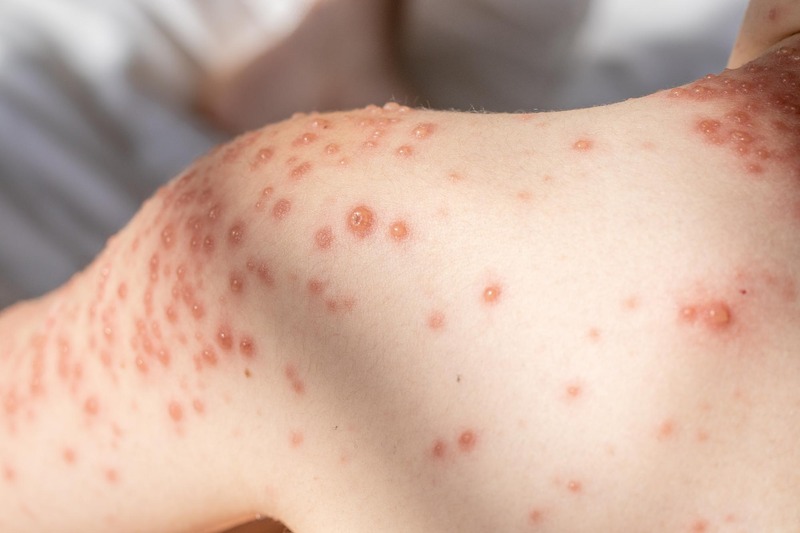
If you’re reading this, you might be dealing with the aftermath of monkeypox, a disease that can leave visible marks on your skin long after the illness has subsided. These marks, whether they appear as scars or darkened areas, can be distressing and serve as an unwanted reminder of what you’ve been through. But rest assured, there are ways to reduce these marks and help your skin heal.
Monkeypox Scars
What Causes Monkeypox Marks, and How Do They Develop?
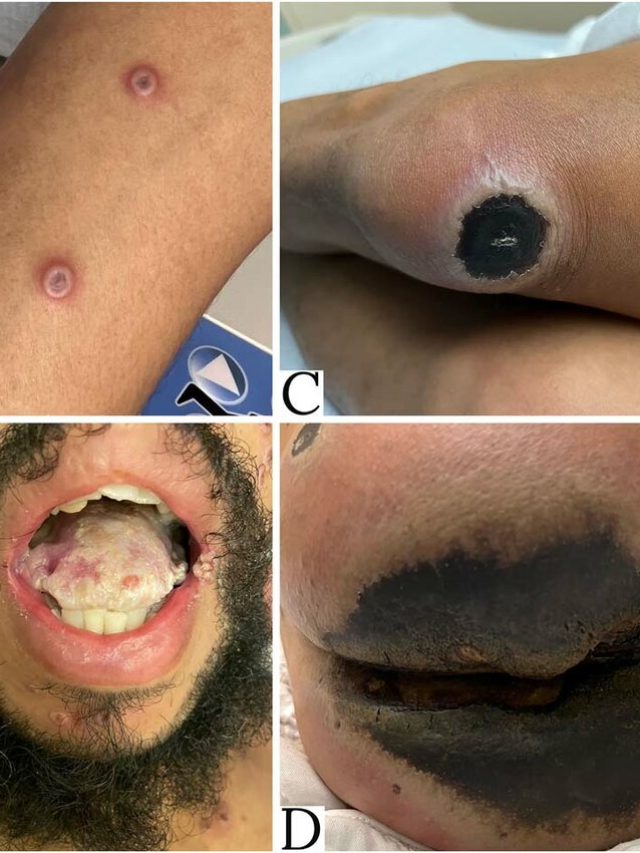
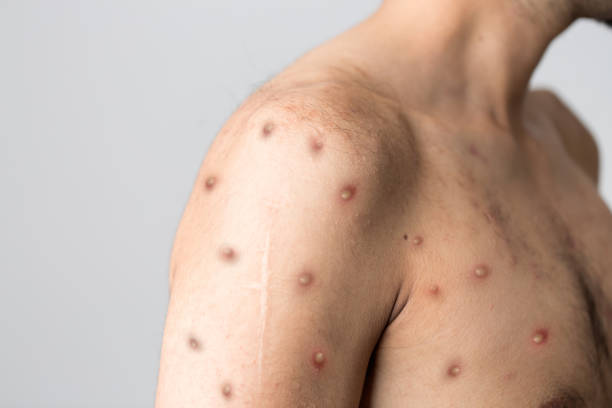
First, it’s important to understand why these marks occur. Monkeypox is a viral illness similar to smallpox, but less severe. As your body fights off the infection, your skin may develop lesions that eventually scab over. While these scabs are a natural part of the healing process, they can sometimes leave behind scars or areas of hyperpigmentation. The severity of these marks can depend on several factors, including how your skin was cared for during the illness and your skin type.
How Should You Care for Your Skin During Recovery?
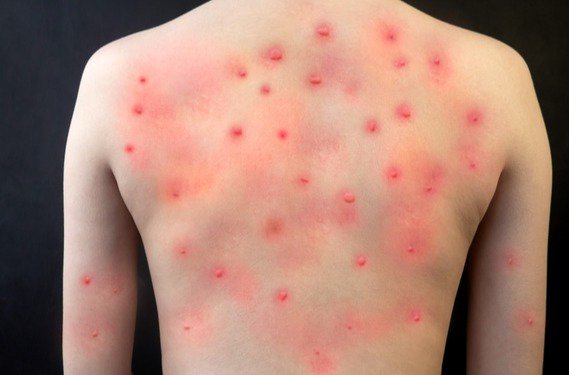
To minimize scarring, it’s crucial to take good care of your skin while you’re recovering. Here are some steps you can follow:
- Avoid Picking at Scabs: It’s tempting to pick at scabs, but doing so can lead to deeper scars. Let them fall off naturally to allow your skin to heal properly.
- Moisturize Regularly: Keeping your skin hydrated is key. Use a gentle, non-comedogenic moisturizer to prevent dryness, which can worsen scars.
- Cleanse Gently: Wash your skin with a mild cleanser to keep it clean without causing further irritation.
What Topical Treatments Can Help Fade Monkeypox Marks?
Once your skin has healed and the scabs have fallen off, there are several treatments you can use to reduce the appearance of marks:
- Silicone Gel or Sheets: These are highly effective in reducing the visibility of scars. They form a protective barrier over the skin, helping to flatten and fade scars over time.
- Scar Creams: Look for over-the-counter creams containing ingredients like allantoin, onion extract, or vitamin E. These can promote healing and improve the appearance of scars with consistent use.
- Vitamin C Serum: This is particularly useful for fading dark spots. Vitamin C helps brighten the skin and reduce hyperpigmentation, evening out your skin tone.
Can Natural Remedies Help Improve the Appearance of Monkeypox Scars?
Yes, if you prefer a more natural approach, several remedies can aid in reducing scars:
- Aloe Vera: Known for its soothing and healing properties, aloe vera can help reduce inflammation and promote the repair of damaged skin.
- Honey: With its moisturizing and antibacterial properties, honey can keep your skin hydrated and reduce scar formation.
- Rosehip Oil: This oil is rich in essential fatty acids and vitamins, making it a popular choice for improving skin texture and reducing the appearance of scars.
When Should You Consider Medical Treatments?
If your scars are particularly stubborn or severe, it might be time to explore medical treatments. Here are a few options:
- Chemical Peels: This treatment involves applying a solution to exfoliate the top layers of skin, revealing fresher, less damaged skin beneath.
- Microneedling: A minimally invasive procedure that creates tiny punctures in the skin to stimulate collagen production, helping to smooth out scars.
- Laser Therapy: Lasers can target pigmented areas, breaking down the pigment and reducing scar visibility, particularly for deeper or raised scars.
- Dermabrasion: A more intensive form of exfoliation that removes the outer layers of skin, significantly reducing the appearance of scars.
Why Is Sun Protection Important in Preventing Darkening of Scars?
Sun exposure can make scars more noticeable by darkening them. To protect your skin and prevent this:
- Use Sunscreen: A broad-spectrum sunscreen with an SPF of 30 or higher is essential. Apply it daily, even on cloudy days, to shield your skin from harmful UV rays.
- Avoid Direct Sunlight: When possible, stay out of direct sunlight, especially during peak hours. Wearing protective clothing can also help.
Should You Consult a Dermatologist for Persistent Marks?
If you’ve tried over-the-counter treatments and natural remedies but still see noticeable scars, it might be time to consult a dermatologist. A professional can assess your skin and recommend more advanced treatments tailored to your specific needs.
How to Identify Monkeypox Scars?
Monkeypox scars usually appear as darkened areas or indentations on the skin after the initial lesions have healed. They may vary in color from red or brown to dark spots, depending on your skin type and how well the skin has healed.
How to Prevent Monkeypox Scars?
To prevent monkeypox scars, avoid picking or scratching at lesions, keep the affected area clean and moisturized, and protect your skin from sun exposure. Proper skin care during and after the illness is crucial to minimize scarring.
How to Treat Monkeypox Scars at Home?
At home, you can treat monkeypox scars using topical treatments such as silicone gel or creams containing ingredients like vitamin E or onion extract. Natural remedies like aloe vera and honey can also be applied to soothe and improve the appearance of scars.
How to Know When to Seek Professional Help for Monkeypox Scars?
Seek professional help if your scars are severe, do not improve with home treatments, or cause significant emotional distress. A dermatologist can provide advanced treatment options and personalized care to address persistent or deep scars.
How to Ensure Effective Scar Treatment?
For effective scar treatment, follow a consistent regimen with recommended products, protect your skin from sun damage, and be patient, as scar healing can take time. Consulting a healthcare professional for tailored advice and treatment options can also enhance the effectiveness of your scar management.
How Can You Feel Confident in Your Skin Again?
Dealing with monkeypox marks can be disheartening, but with the right care and treatment, you can significantly reduce their appearance. Your skin has the remarkable ability to heal and regenerate, and by following these steps, you’re giving it the best chance to recover.
For more information about monkeypox and its treatments, you can visit the World Health Organization (WHO) and Wikipedia.
Remember, your skin’s appearance does not define you, and with patience and care, it will improve over time. You’ve already overcome the illness, and now it’s time to help your skin do the same.