
[siteseo_toc]
Yoga is more than just a fitness routine; it is a holistic approach to health and well-being that has been practiced for thousands of years. Originating in ancient India, yoga encompasses physical postures, breath control, meditation, and ethical practices aimed at uniting the mind, body, and spirit. In today’s fast-paced world, the importance of yoga is more pronounced than ever, providing a sanctuary for individuals seeking balance, peace, and a deeper connection to themselves.
Origins of Yoga
Ancient Beginnings
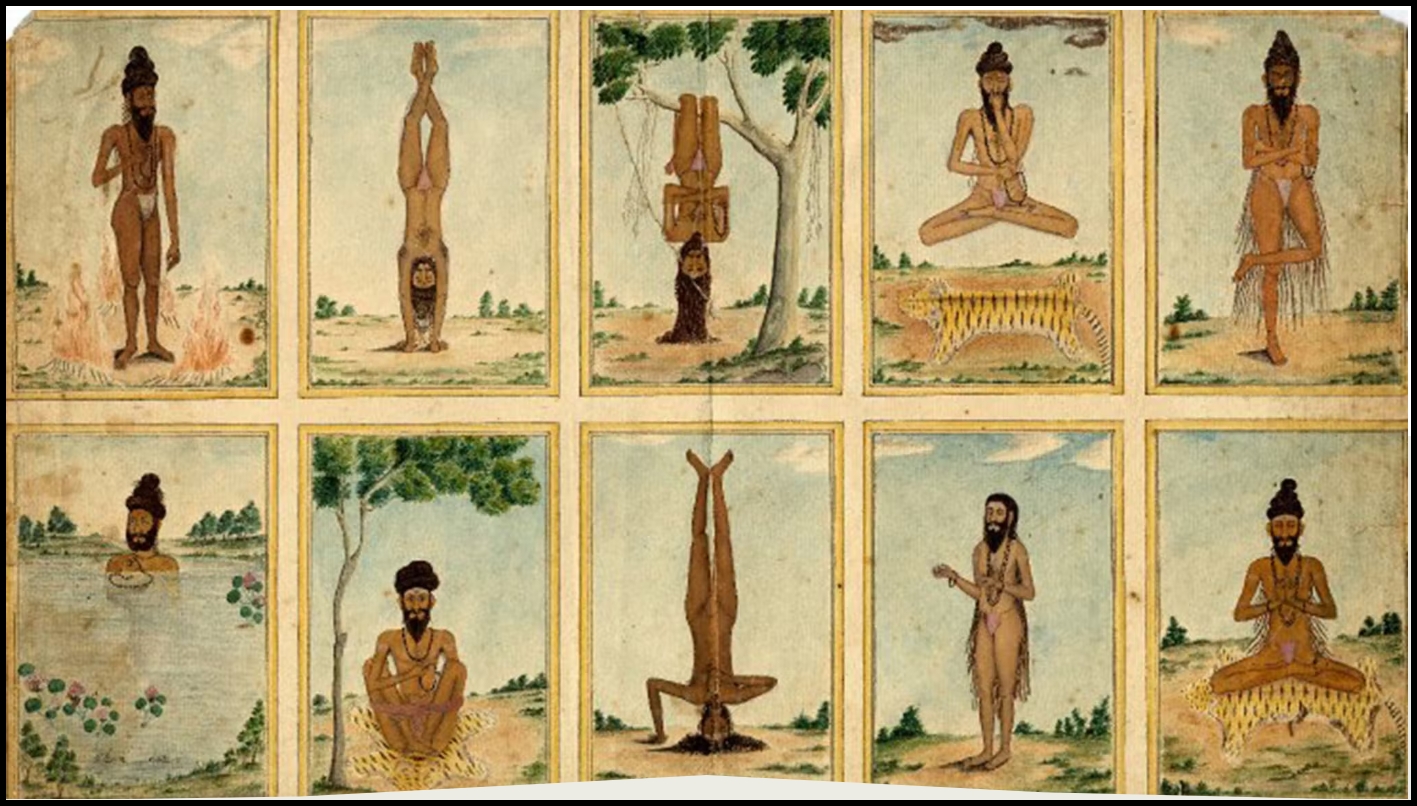
The roots of yoga can be traced back over 5,000 years, with some historians suggesting it might be even older. The earliest signs of yoga practices were found in the Indus Valley Civilization, where archeologists discovered depictions of yoga postures on seals and artifacts.
The Indus Valley Civilization
This ancient civilization, located in present-day Pakistan and northwest India, is one of the oldest known urban cultures. The seals and terracotta figures found in this region suggest that yoga was a part of the daily life and religious practices of the Indus Valley people.
The Vedic Period
The Role of the Vedas
The Vedic period (1500 – 500 BCE) saw the composition of the oldest sacred texts of Hinduism, the Vedas. These texts contain references to yoga practices, particularly in the context of rituals and hymns dedicated to the gods.
Early Yoga Practices
During this time, yoga was primarily a meditative practice aimed at transcending the human experience and achieving spiritual enlightenment. The early practices included mantras, prayers, and meditative postures.
The Upanishads and Yoga
Spiritual Teachings
The Upanishads, a collection of philosophical texts written between 800 – 400 BCE, further elaborated on the spiritual aspects of yoga. They introduced the concept of the self (Atman) and the universal soul (Brahman), emphasizing the importance of realizing this unity through yoga.
Development of Meditation Techniques
The Upanishads laid the groundwork for various meditation techniques that are central to yoga, including the practice of deep contemplation and the pursuit of inner knowledge.
The Bhagavad Gita
The Philosophical Framework
The Bhagavad Gita, a 700-verse Hindu scripture that is part of the Mahabharata, provides a comprehensive guide to yoga. It introduces three major paths of yoga: Karma Yoga (the yoga of action), Bhakti Yoga (the yoga of devotion), and Jnana Yoga (the yoga of knowledge).
Karma, Bhakti, and Jnana Yoga
These paths offer different approaches to achieving spiritual liberation, each catering to different temperaments and inclinations. The Bhagavad Gita emphasizes the importance of integrating these paths for a balanced and fulfilling life.
Classical Yoga
Patanjali’s Yoga Sutras
Written around 400 CE, Patanjali’s Yoga Sutras are a collection of aphorisms that systematically outline the practice of yoga. This text is considered the foundation of classical yoga philosophy.
The Eight Limbs of Yoga
Patanjali’s Yoga Sutras describe the Eight Limbs of Yoga, which are: Yama (ethical principles), Niyama (personal disciplines), Asana (physical postures), Pranayama (breath control), Pratyahara (withdrawal of the senses), Dharana (concentration), Dhyana (meditation), and Samadhi (enlightenment).
Post-Classical Yoga
Evolution of Yoga Practices
Post-classical yoga saw the development of various schools and styles of yoga. This period was marked by an increased emphasis on the physical aspects of yoga, particularly through Hatha Yoga, which focused on bodily purification and the balance of energies.
Influence of Buddhism and Jainism
Buddhism and Jainism, which emerged around the same time as the classical yoga period, also influenced yoga practices. Both traditions incorporated meditative and ascetic practices similar to those found in yoga.
Modern Yoga
Yoga in the 19th and 20th Century
The 19th and 20th centuries marked a significant period in the evolution of yoga, as it began to gain global recognition. Indian yogis like Swami Vivekananda and Paramahansa Yogananda played crucial roles in introducing yoga to the Western world.
Key Figures in Modern Yoga
Pioneers such as T. Krishnamacharya, B.K.S. Iyengar, and Pattabhi Jois further developed and popularized yoga practices, each contributing unique styles and techniques that have shaped modern yoga.
Yoga in the West
Introduction to the Western World
Yoga’s journey to the West began in the late 19th century, gaining momentum in the 20th century as Westerners became increasingly interested in Eastern spirituality and holistic health practices.
Popularity and Adaptations
Yoga has since become a mainstream practice in the West, with numerous adaptations to fit the lifestyle and preferences of Western practitioners. This includes the development of various modern yoga styles, such as Power Yoga and Vinyasa Flow.
Different Schools of Yoga
Hatha Yoga
Hatha Yoga, the foundation of many modern yoga styles, focuses on physical postures (asanas) and breath control (pranayama) to prepare the body and mind for meditation.
Ashtanga Yoga
Ashtanga Yoga is a dynamic and physically demanding practice that involves a set sequence of postures linked by breath and movement (vinyasa).
Iyengar Yoga
Iyengar Yoga emphasizes precise alignment and the use of props to aid in the practice of asanas, making it accessible to practitioners of all levels and abilities.
Kundalini Yoga
Kundalini Yoga combines physical postures, breath work, chanting, and meditation to awaken the dormant energy (kundalini) at the base of the spine.
Yoga as a Lifestyle
Physical Benefits
Practicing yoga regularly can improve flexibility, strength, balance, and cardiovascular health. It also aids in the prevention and management of various health conditions.
Mental and Emotional Benefits
Yoga helps reduce stress, anxiety, and depression by promoting relaxation and mental clarity. It fosters a sense of inner peace and emotional stability.
Spiritual Growth
Beyond the physical and mental benefits, yoga is a path to spiritual growth, helping individuals connect with their inner selves and the greater universe.
Yoga in Popular Culture
Yoga in Media
Yoga has been featured in movies, TV shows, and books, contributing to its widespread popularity and acceptance.
Celebrity Endorsements
Many celebrities advocate for yoga, sharing their personal experiences and the benefits they have gained from the practice, which has helped further its reach.
Challenges and Misconceptions
Common Misunderstandings
There are several misconceptions about yoga, such as the belief that it is solely a physical practice or that one needs to be extremely flexible to participate.
Overcoming Barriers to Practice
To overcome these barriers, it’s essential to educate people about the holistic nature of yoga and the various modifications available to suit different abilities and fitness levels.
The Future of Yoga
Trends and Innovations
The future of yoga looks promising, with trends such as online yoga classes, yoga therapy, and the integration of technology to enhance the practice.
The Global Impact
Yoga’s impact continues to grow globally, promoting health, well-being, and a sense of community among practitioners worldwide.
Conclusion
Yoga’s rich history and enduring relevance make it a timeless practice that offers numerous benefits to individuals and society as a whole. From its ancient roots to its modern adaptations, yoga remains a powerful tool for achieving physical health, mental clarity, and spiritual enlightenment.
FAQs
What is the origin of yoga? Yoga originated in ancient India over 5,000 years ago, with evidence of early practices found in the Indus Valley Civilization.
How did yoga spread to the West? Yoga was introduced to the Western world in the late 19th and early 20th centuries by Indian yogis and spiritual leaders, gaining popularity through their teachings and writings.
What are the main benefits of practicing yoga? Practicing yoga offers numerous benefits, including improved flexibility, strength, balance, stress reduction, mental clarity, and spiritual growth.
Are there different types of yoga? Yes, there are many different types of yoga, including Hatha, Ashtanga, Iyengar, Kundalini, and more, each with its unique focus and practices.
How has yoga evolved over time? Yoga has evolved from its ancient meditative and spiritual roots to include various physical practices and modern adaptations, making it accessible and relevant to a global audience.

